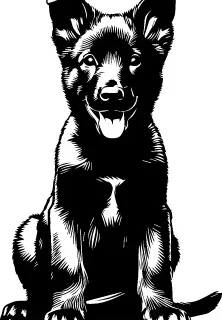
Use this Dutch Shepherd puppy weight calculator to predict how big your puppy will get. Dutch Shepherds are a herding breed that typically reach full size by around 18-24 months.
Enter your puppy's current weight and age to predict their adult size
Estimates based on breed growth curves. Individual dogs vary with genetics and nutrition — check with your vet for a personalized read.
Built to keep large, powerful chewers busy.
As an Amazon Associate we earn from qualifying purchases, at no extra cost to you.
| Age | Weight |
|---|---|
| Birth | 1 to 3 lbs |
| 2 Months | 4 to 11 lbs |
| 3 Months | 8 to 19 lbs |
| 4 Months | 13 to 26 lbs |
| 5 Months | 17 to 34 lbs |
| 6 Months | 21 to 41 lbs |
| 7 Months | 25 to 49 lbs |
| 9 Months | 29 to 56 lbs |
| 10 Months | 34 to 64 lbs |
| 1 Year | 38 to 71 lbs |
| 1.5 Years | 41 to 75 lbs |
| 2 Years | 42 to 75 lbs |
Estimated from typical large-breed growth curves and the Dutch Shepherd's adult weight range. Individual puppies vary — use the calculator above for a prediction based on your puppy's actual current weight.
New breed data, growth tips, and puppy-parenting insights, plus our free printable puppy growth tracker.
Generally a healthy breed; hip dysplasia can occur given the demands of active working roles.
A quality diet matched to this breed's genuinely high working-dog energy level.
Coat type varies (short, long, or rough); regular brushing keeps shedding manageable.
Needs a real job or substantial daily mental and physical engagement — highly trainable but not suited to a low-activity lifestyle.
A versatile Dutch herding breed known for a distinctive brindle coat, historically an all-purpose farm dog now also used in police and service work.
Intelligent, alert, and highly trainable, Dutch Shepherds retain strong working drive and need real purpose in a companion home.
