Norwegian Lundehund Puppy Weight Calculator
Use this Norwegian Lundehund puppy weight calculator to find out how big your Norwegian Lundehund puppy will get. Just type your puppy's age and weight below and this tool will calculate the future adult size of your puppy.
Puppy Weight Calculator
Predict your puppy's adult weight
Results
- Predictions are estimates based on breed standards
- Individual dogs may vary based on genetics and nutrition
- Consult your vet for personalized assessments
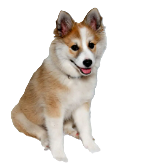
Norwegian Lundehund Stats
Norwegian Lundehund Growth Chart
Norwegian Lundehund Traits
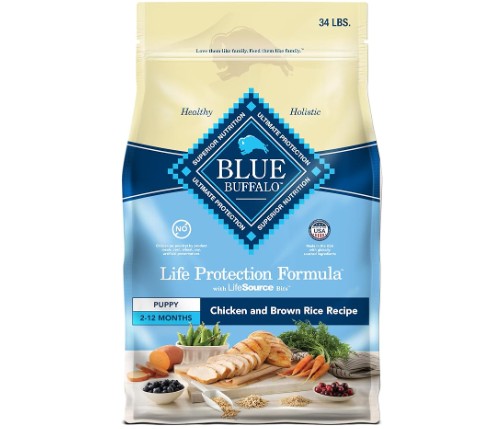
Blue Buffalo Life Dry Dog Food with DHA and ARA
- Made with Natural Ingredients, Chicken & Brown Rice Recipe.
- Contains no chicken or poultry by-products, corn, wheat or soy.
- Contains precise blend of antioxidants, vitamins and minerals.
- Rated 4.7 of 17.8K reviews.
The most serious concern is Lundehund Syndrome (LHS), a hereditary condition that affects the digestive system. LHS is an autosomal recessive disorder that causes protein-losing enteropathy (PLE), meaning the dog loses vital protein through its intestines.
Symptoms include intestinal lymphangiectasia (dilated lymphatic vessels), chronic gastrointestinal disturbance, inflammatory bowel disease, malabsorption, general weakness, vomiting, and edema (fluid swelling).
The breed is also prone to degenerative myelopathy (DM), a neurological disorder affecting the spinal cord, and hyperuricosuria (HUU), which can lead to bladder or kidney stones.
Many breeders and veterinarians recommend whole-food diets with high-quality animal protein as the primary ingredient, as dogs are biologically designed to thrive on meat-based nutrition.
The diet should include healthy fats (particularly omega-3 and omega-6 fatty acids) for skin and coat health, balanced calcium and phosphorus for bone development, and nutrient-dense organ meats such as liver and kidney.
A hard outer coat and a thick, velvety undercoat make up the Norwegian Lundehund's low-maintenance double coat.
A weekly brushing will keep the dog looking his best and help get rid of loose hair and debris. If necessary, the ears should be cleaned and examined on a regular basis.
If the dog's nails aren't naturally worn down, they should be cut frequently since excessively long nails can make walking and running uncomfortable.
Harsh training techniques should never be applied to Lundehunds because they are extremely sensitive and may develop trust issues.
In order to guarantee that the dog develops into a well-mannered, well-adjusted friend, early socialization and puppy training programs are advised.
The breed is exceptionally intelligent, kind, and fun-loving. They also have exceptional problem-solving skills.
About the Norwegian Lundehund
The Norwegian Lundehund, also known as the Norsk Lundehund or Norwegian Puffin Dog, is a small Spitz-type breed that originated along the rocky coastlines of Norway, particularly on the isolated island of Værøy in the Lofoten archipelago. The breed’s name combines “lunde” (puffin) and “hund” (dog), reflecting its historical purpose. For over 400 years, the Lundehund was developed specifically for hunting puffins and their eggs in inaccessible nesting locations on cliffs and in narrow caves.
The breed possesses several unique anatomical traits for this demanding work, including at least six toes on each foot for stability on slippery rocks, an extraordinary ability to fold its ears shut to keep out debris, and a neck so flexible that the head can tip backwards until it touches the spine.