
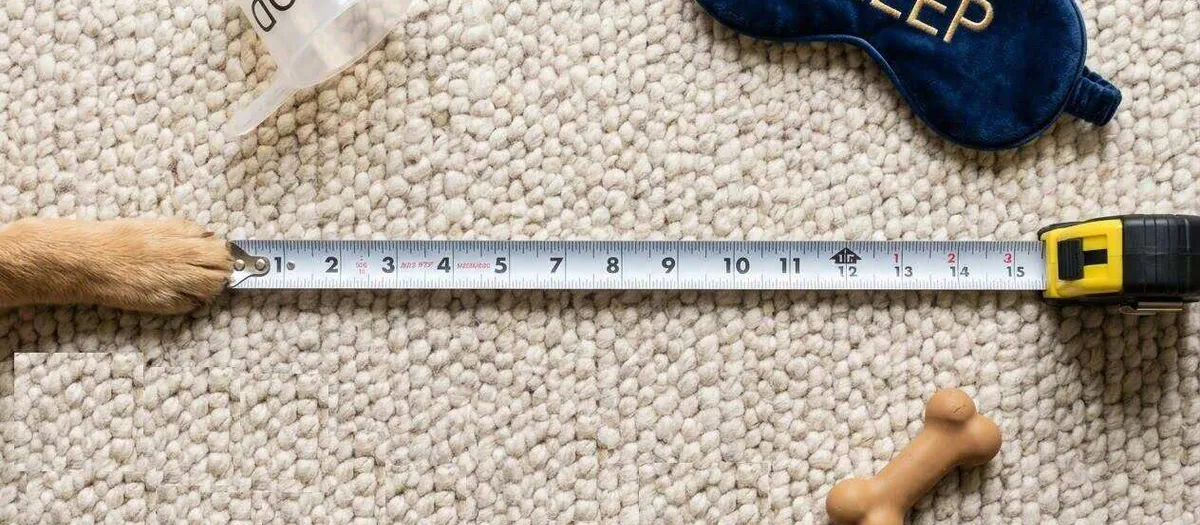
A puppy’s growth is shaped by a complex interplay of genetics, nutrition, health, and environment. While breed sets the blueprint for adult size, factors like diet quality, exercise, and veterinary care determine whether a puppy reaches their genetic potential safely and healthily.
1. Genetics and Breed Size
Genetics is the single most important determinant of a puppy’s adult size, growth rate, and developmental timeline.
Breed Size Categories and Growth Timelines
Puppies are broadly grouped by their expected adult weight, and each category follows a distinct growth curve:
-
Small breeds grow rapidly in the first 3–4 months and often reach adult size by 8–12 months.
-
Large and giant breeds have a longer, more gradual growth period, continuing to fill out and mature skeletally until 18–24 months.
A puppy inherits size-related genes from both parents. In general:
-
A puppy will rarely exceed the size of the larger parent.
-
If both parents are similar in size, the puppy is likely to mature to that size.
-
For mixed breeds, estimating adult size involves looking at the size categories of both parental breeds.
2. Nutrition and Feeding Practices
Nutrition is the most powerful environmental factor influencing growth rate, skeletal development, and long-term health.
Large-breed puppies are particularly sensitive. Studies show that restricting calories by about 25% (while maintaining balanced nutrition) delays the onset and reduces the severity of hip dysplasia and osteoarthritis.
Feeding for controlled, moderate growth does not reduce a dog’s final adult size, it simply allows the skeleton to develop in sync with body weight.
Key Nutrients for Healthy Growth
-
Protein: Supports muscle development. Large-breed puppy foods typically contain 22–28% protein on a dry matter basis.
-
Fat: Provides energy without excessive bulk. Ideal fat levels for large breeds are 10–14%.
-
Calcium and Phosphorus: Critical for bone formation, but excess calcium is harmful. Safe calcium levels for large-breed puppies are 0.8–1.2% on a dry matter basis.
-
Vitamins and Minerals: Balanced levels of vitamin D, zinc, and copper support bone and cartilage health.
3. Health Status and Veterinary Care
A puppy’s health profoundly affects their ability to grow normally. Chronic illness, parasites, and untreated conditions can derail development.
Parasites and Infectious Diseases
-
Intestinal worms (roundworms, hookworms, whipworms) compete for nutrients, leading to poor weight gain, diarrhoea, and stunted growth.
-
External parasites like ticks and fleas can cause anaemia and transmit diseases that weaken the puppy.
Congenital and Genetic Conditions
Some puppies are born with conditions that affect growth:
-
Portosystemic shunts (liver abnormalities) can cause poor growth and neurological signs.
-
Hormonal disorders (e.g., hypothyroidism, growth hormone deficiency) may result in dwarfism or delayed development.
-
Early diagnosis and management are critical.
4. Exercise and Physical Activity
Appropriate exercise supports muscle development, coordination, and bone strength—but too much or the wrong type can harm growing joints.
Age-Appropriate Exercise Guidelines
-
0–3 months: Short, gentle play sessions; avoid jumping or strenuous activity.
-
3–6 months: Increased play and exploration; still avoid high-impact activities like repetitive jumping or long runs.
-
6–12 months: Gradual increase in duration and intensity; large breeds should avoid forced exercise (e.g., jogging alongside a bike) until growth plates close.
Note :Excessive or high-impact exercise before closure can cause:
-
Growth plate injuries
-
Joint abnormalities
-
Increased risk of developmental orthopedic diseases like hip dysplasia and osteochondrosis
Controlled, low-impact activities like leash walks, gentle play, and swimming are ideal for growing puppies, especially large breeds.
5. Desexing (Spaying/Neutering)
Desexing influences hormonal development, which can subtly affect growth patterns.
-
Early desexing (before 6 months) may result in slightly longer leg bones and delayed growth plate closure due to altered hormone levels.
-
However, when performed at the appropriate time for the breed, desexing should not significantly change adult size.
Veterinarians often recommend timing desexing based on breed size and individual health:
-
Small breeds: 6–9 months
-
Large/giant breeds: 12–18 months (to allow more skeletal maturity before surgery)
6. Environmental and Lifestyle Factors
Stress and Socialisation
Chronic stress (e.g., from poor living conditions, lack of socialisation, or inconsistent routines) can suppress appetite and immune function, indirectly affecting growth.
Sleep and Rest
Puppies need 18–20 hours of sleep per day, especially during rapid growth phases. Sleep supports hormone release (including growth hormone) and tissue repair.
Living Conditions
-
Clean, safe environments reduce exposure to toxins and infections.
-
Adequate space for movement supports healthy muscle and bone development.
Common Growth-Related Problems and Prevention
Hip Dysplasia and Developmental Orthopedic Disease (DOD)
Large and giant breeds are genetically predisposed to hip dysplasia, elbow dysplasia, and osteochondrosis.
Risk factors include:
-
Rapid growth from overfeeding
-
Excess calcium intake
-
High-impact exercise before skeletal maturity
Prevention strategies:
-
Feed a large-breed puppy formula with controlled calories and calcium.
-
Maintain a lean body condition (BCS 4–5/9).
-
Avoid calcium supplementation and high-energy treats.
-
Provide moderate, low-impact exercise.
Obesity
Overfeeding and excessive treats can lead to puppy obesity, which strains joints and increases the risk of lifelong health issues.
Prevention:
-
Measure meals accurately.
-
Limit treats to <10% of daily calories.
-
Adjust portions as the puppy grows (re-evaluate every 2–4 weeks).
Stunted Growth
Causes include:
-
Poor-quality diet or malnutrition
-
Chronic parasitism
-
Underlying disease (e.g., liver shunt, hormonal disorders)
Seek veterinary evaluation if a puppy is significantly underweight for their age and breed.
Practical Tips for Supporting Healthy Puppy Growth
-
Choose the right food: Select a high-quality puppy diet appropriate for your puppy’s size category (especially large-breed formulas for big dogs).
-
Feed measured meals: Avoid free-feeding; use the feeding guide as a starting point and adjust based on body condition.
-
Schedule regular vet checks: Monitor weight, deworming, vaccinations, and growth milestones.
-
Provide age-appropriate exercise: Encourage play but avoid high-impact activities until growth plates close.
-
Track growth: Weigh your puppy every 2 weeks during rapid growth phases and plot their progress against breed-specific growth charts.
-
Avoid supplements unless advised: Balanced commercial diets meet all nutritional needs; extra calcium or vitamins can be harmful.
-
Maintain a healthy environment: Ensure clean living conditions, adequate rest, and positive socialisation
-
Sources :
How size and genetic diversity shape lifespan across breeds of purebred dogs https://pmc.ncbi.nlm.nih.gov/articles/PMC9886701/
Growth and skeletal development in the dog in relation to nutrition; a review
https://pubmed.ncbi.nlm.nih.gov/8009820/
Puppy Growth and Bone Development: Nurturing Healthy, Strong, and Safe Dogs
A Study Updates Spay-Neuter Timeline Guidance for Popular Dog Breeds
https://www.akc.org/expert-advice/news/study-updates-spay-neuter-guidelines/