Italian Greyhound Puppy Weight Calculator
Use this Italian Greyhound puppy weight calculator to find out how big your Italian Greyhound puppy will get. Just type your puppy's age and weight below and this tool will calculate the future adult size of your puppy.
Puppy Weight Calculator
Predict your puppy's adult weight
Results
- Predictions are estimates based on breed standards
- Individual dogs may vary based on genetics and nutrition
- Consult your vet for personalized assessments
Italian Greyhound Stats
Italian Greyhound Growth Chart
Italian Greyhound Traits

Blue Buffalo Life Small Breed Dry Dog Food with DHA
- Vital Nutrients & Antioxidants, Made with Natural Ingredients.
- Supports cognitive development with DHA.
- Rated 4.7 of 4.9k reviews.
Fractures and bone injuries: Italian Greyhounds have fine bones, making them prone to broken legs during puppyhood. Supervise play and avoid jumps from furniture.
Dental care: Small breeds are prone to early dental issues—start brushing early.
Hypoglycemia: Monitor young puppies for lethargy or weakness, and keep feeding consistently to avoid blood sugar drops.
Because they have virtually zero body fat and a thin coat, Iggies are perpetually cold. A winter wardrobe (sweaters, coats, and even "pajamas") is a functional necessity, not just a fashion choice.
Feeding Schedule: Feed 3–4 small meals daily until 6 months, then reduce to 2 meals per day.
Choose a small-breed puppy formula rich in calories and protein to support fast metabolism and bone development.
Monitor weight carefully—both undernutrition and overfeeding can lead to developmental problems or fragile bones.
Because of their short, single hair and minimal shedding, Italian greyhounds require relatively little care.
In order to prevent dental disease, weekly brushing with a rubber mitt, monthly washes with moisturizing shampoo, and—above all—daily brushing are essential.
To make them comfortable, weekly or biweekly nail trims are also necessary.
Italian Greyhounds enjoy zoomies and short sprints, but they are delicate and prone to fractures, especially under 12 months.
Provide safe, supervised indoor or fenced outdoor play.
Avoid roughhousing or slippery surfaces.
Short walks and light agility (once older) are great for mental and physical stimulation.
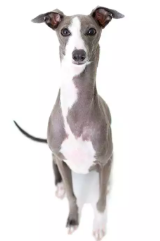
The Italian Greyhound (or “Iggy”) is the smallest of the sighthounds. Often described as a Greyhound in miniature, this breed is not just a lapdog but a true athlete with an ancient lineage dating back over 2,000 years to the Mediterranean basin.
While they possess the same aerodynamic lines and explosive speed as their larger cousins, Italian Greyhounds are distinct for their extreme sensitivity and intense bond with their owners.
About the Italian Greyhound
Living with an Iggy is a unique commitment that combines the needs of a high-energy athlete with the sensitivity of a toy breed.
- Difficult House Training: Italian Greyhounds are notoriously difficult to potty train. They are sensitive to cold and rain, often flatly refusing to step outside in inclement weather. Many owners utilize indoor potty solutions or doggy doors to manage this trait.
- Bone Fragility: Their long, slender limbs are particularly vulnerable to fractures, especially during the first 18 months of life. High-impact jumps off furniture or rough play with larger dogs can easily lead to “emergency room” leg breaks.
- Temperature Sensitivity: With virtually no body fat and a very thin coat, Iggies cannot regulate their temperature in the cold. A wardrobe of sweaters and jackets is a functional requirement, not just a fashion choice.
- Sighthound Instinct: Like their larger cousins, they have a powerful prey drive. If they see a squirrel or a bird, they will bolt. Because they are fast enough to outrun a human in seconds, they should only be off-leash in securely fenced areas.