Use this Scottish Deerhound puppy weight calculator to predict how big your puppy will get. Scottish Deerhounds are a giant sighthound breed that typically reach full size by around 18-24 months.
Enter your puppy's current weight and age to predict their adult size
Estimates based on breed growth curves. Individual dogs vary with genetics and nutrition — check with your vet for a personalized read.
Built to keep large, powerful chewers busy.
As an Amazon Associate we earn from qualifying purchases, at no extra cost to you.
| Age | Weight |
|---|---|
| Birth | 2 to 4 lbs |
| 2 Months | 8 to 17 lbs |
| 3 Months | 15 to 28 lbs |
| 4 Months | 23 to 39 lbs |
| 5 Months | 30 to 50 lbs |
| 6 Months | 38 to 61 lbs |
| 7 Months | 45 to 72 lbs |
| 9 Months | 53 to 83 lbs |
| 10 Months | 60 to 94 lbs |
| 1 Year | 68 to 105 lbs |
| 1.5 Years | 74 to 110 lbs |
| 2 Years | 75 to 110 lbs |
Estimated from typical large-breed growth curves and the Scottish Deerhound's adult weight range. Individual puppies vary — use the calculator above for a prediction based on your puppy's actual current weight.
New breed data, growth tips, and puppy-parenting insights, plus our free printable puppy growth tracker.
As a giant, deep-chested breed, Scottish Deerhounds carry meaningful bloat risk. They're also prone to cardiomyopathy and osteosarcoma (bone cancer), and — like many giant breeds — have a shorter average lifespan, often 8-10 years.
A quality diet matched to this breed's size and activity level, with meals split to help reduce bloat risk.
The rough, wiry coat needs regular brushing to prevent matting.
Gentle and trainable, though genuinely independent as a sighthound — secure fencing matters given real prey drive and speed.
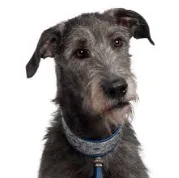
A large Scottish sighthound bred to course red deer, closely related to the Greyhound but built for greater size and a rougher coat suited to Highland weather.
Gentle and dignified despite its size, the Scottish Deerhound is a calm, affectionate companion at home.
