Mastiff Puppy Weight Calculator
Use this Mastiff puppy weight calculator to find out how big your Mastiff puppy will get. Just type your puppy's age and weight below and this tool will calculate the future adult size of your puppy.
Puppy Weight Calculator
Predict your puppy's adult weight
Results
- Predictions are estimates based on breed standards
- Individual dogs may vary based on genetics and nutrition
- Consult your vet for personalized assessments
Mastiff Stats
Mastiff Growth Chart
Mastiff Traits
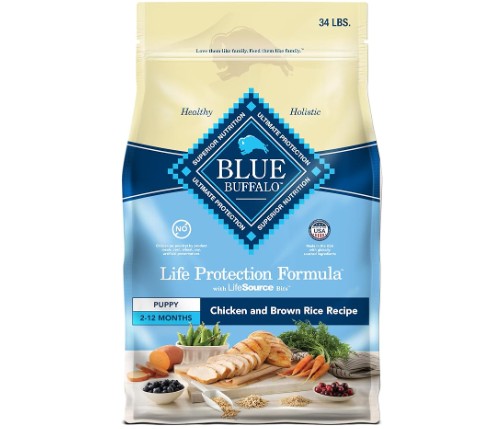
Blue Buffalo Life Dry Dog Food with DHA and ARA
- Made with Natural Ingredients, Chicken & Brown Rice Recipe.
- Contains no chicken or poultry by-products, corn, wheat or soy.
- Contains precise blend of antioxidants, vitamins and minerals.
- Rated 4.7 of 17.8K reviews.
The most urgent concern is gastric torsion, also known as bloat or Gastric Dilatation Volvulus (GDV).
This is a life-threatening condition where the stomach fills with gas and twists; it requires immediate emergency veterinary care .
Because Mastiffs have deep chests, you must avoid exercise for one hour before and one hour after every meal to reduce the risk .
Joint disorders such as hip dysplasia and elbow dysplasia are also common, as are bone tumours (osteosarcoma) .
Additionally, the breed can suffer from eyelid problems such as entropion and ectropion due to excessive facial skin, as well as heart conditions like dilated cardiomyopathy
Choose a high-quality puppy food specifically formulated for large or giant breeds.
These recipes have controlled calcium and phosphorus levels to prevent skeletal abnormalities.
Feed three measured meals per day from weaning until six months of age, then reduce to two meals per day .
Overfeeding a Mastiff puppy puts dangerous stress on their developing bones and increases the risk of hip dysplasia
A weekly brushing with a soft bristle brush or a rubber grooming mitt will remove loose hair and distribute natural oils .
This breed does have periods of heavy shedding once or twice per year; during these times, it is recommended to brush more frequently with a strong, toothed comb .
The deep wrinkles around the face of the Mastiff should be cleaned daily to prevent moisture build-up and skin infections .
Mastiffs are well-known droolers and tend to snore loudly, so you may wish to keep soft towels or "drool rags" around the house
Provide moderate, low-impact exercise, such as short walks and gentle play.
Avoid intense running, jumping, or long stair climbs, especially during the first 18 months.
Socialization and mental stimulation are essential to help avoid anxiety or overprotectiveness.
About the Mastiff
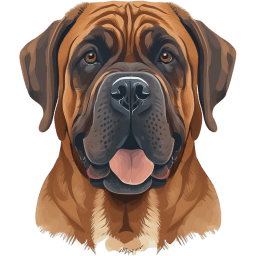
The Mastiff, often called the English Mastiff, is a giant, powerful, and dignified breed that originated in England. It is likely descended from the ancient Alaunt and Pugnaces Britanniae, with a significant input from the Alpine Mastiff in the 19th century . For more than 2,000 years, dogs of this type served as guardians and fighting dogs, and the Roman invaders of England sent the English Mastiff to compete in the arenas of ancient Rome . In terms of size category, the Mastiff falls into the giant range. Adults typically stand at least 30 inches at the shoulder for males and 27.5 inches for females . A typical male weighs between 160 and 230 pounds, while females weigh between 120 and 170 pounds . As a puppy, the Mastiff grows at a pace that defies expectations. Your puppy can gain fifteen or more pounds per month during the first year, and by six months, most Mastiffs already outweigh the average Golden Retriever
References