German Shepherd Puppy Weight Calculator
Use this German Shepherd puppy weight calculator to find out how big your German Shepherd puppy will get. Just type your puppy's age and weight below and this tool will calculate the future adult size of your puppy.
Puppy Weight Calculator
Predict your puppy's adult weight
Results
- Predictions are estimates based on breed standards
- Individual dogs may vary based on genetics and nutrition
- Consult your vet for personalized assessments
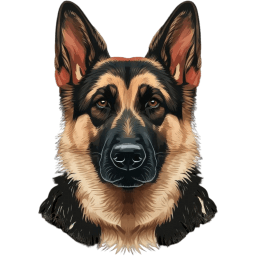
German Shepherd Stats
German Shepherd Growth Chart
German Shepherd Traits

Purina Pro Plan Large Breed Dry Puppy Food
- Chicken as No. 1 ingredient.
- Colostrum to help support natural defences.
- Helps promote healthy growth and long-term health.
- Rated 4.6 out of 9.6k reviews.
Glens are generally healthy, but hip dysplasia and progressive retinal atrophy (PRA) can occur in some cases.
Ensure your breeder performs relevant health tests.
Early joint strain and obesity are preventable concerns—growth tracking helps you adjust feeding and exercise as needed.
Feed your Glen puppy high-quality small-breed puppy food 3–4 times a day until 6 months, then reduce it to two meals per day.
Avoid overfeeding. Glens can easily become overweight, which puts extra strain on developing joints.
Monitor their Body Condition Score (BCS) on a monthly basis.
The Glen of Imaal Terrier has a double coat that does not shed, but it needs to be brushed every week and hand-stripped twice a year to preserve its rough texture.
Important requirements include washing ears, trimming paw pads and sanitary regions, and avoiding matting in the delicate undercoat.
Steer clear of regular cutting and bathing, as these actions weaken the coat.
Avoid forced or intense running until at least 12 months old. Focus on free play, short walks, and mental stimulation.
Use non-slippery surfaces indoors to support developing joints.
Training games and obedience exercises are great for tiring them out mentally.
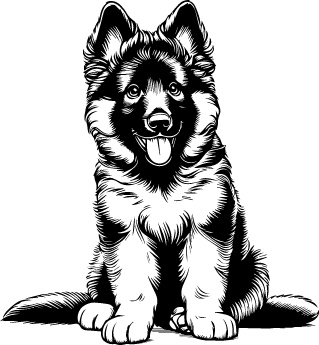
The German Shepherd Dog (GSD) is widely considered one of the most versatile, intelligent, and recognizable working breeds in the world. Originally developed in Germany in the late 19th century by Captain Max von Stephanitz to herd and protect sheep, the breed’s unmatched trainability quickly led to its transition into police, military, search-and-rescue, and service dog roles.
Known for their loyalty, courage, and protective instincts, German Shepherds form deep bonds with their families. They are highly active dogs that require consistent mental and physical stimulation to prevent boredom and behavioral issues.
Key Clubs and Associations
Because the German Shepherd is fundamentally a working breed, numerous organizations exist worldwide to preserve its structural integrity, temperament, and working abilities.
- Verein für Deutsche Schäferhunde (SV): The original mother club of the breed, founded in Germany in 1899 by Max von Stephanitz. The SV still dictates the global breed standard and strongly emphasizes working trials (like IGP/Schutzhund) and health clearances before a dog is permitted to breed.
- World Union of German Shepherd Dog Clubs (WUSV): The global umbrella organization for the breed. It comprises over 90 member clubs across 80 countries, ensuring that the SV’s breed standards and working philosophies are maintained internationally.
- German Shepherd Dog Club of America (GSDCA): The primary breed club in the United States, officially recognized by the American Kennel Club (AKC). The GSDCA focuses on both conformation (show) and performance events, though the American standard differs slightly from the German SV standard, particularly regarding the dog’s rear angulation.
- The Kennel Club (UK) & Local Associations: In the UK, the breed is supported by the British Association for German Shepherd Dogs (BAGSD) and the German Shepherd Dog League (GSDL), which work to promote responsible breeding and training under the auspices of The Kennel Club.