Silky Terrier Puppy Weight Calculator
Use this Silky Terrier puppy weight calculator to find out how big your Silky Terrier puppy will get. Just type your puppy's age and weight below and this tool will calculate the future adult size of your puppy.
Puppy Weight Calculator
Predict your puppy's adult weight
Results
- Predictions are estimates based on breed standards
- Individual dogs may vary based on genetics and nutrition
- Consult your vet for personalized assessments

Silky Terrier Stats
Silky Terrier Growth Chart
Silky Terrier Traits
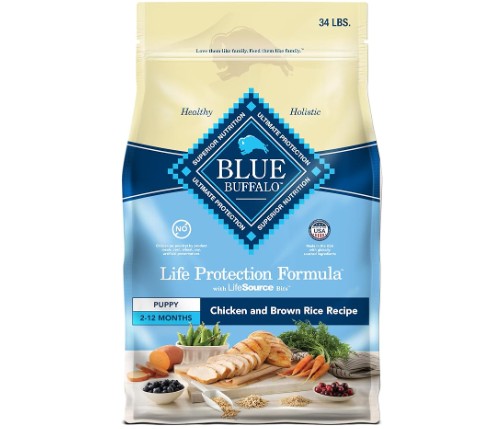
Blue Buffalo Life Dry Dog Food with DHA and ARA
- Made with Natural Ingredients: Chicken & Brown Rice Recipe.
- Contains no chicken or poultry by-products, corn, wheat, or soy.
- Contains a precise blend of antioxidants, vitamins, and minerals.
- Rated 4.7 of 17.8K reviews.
The most common concerns include patellar luxation, where the kneecap temporarily dislocates; Legg-Calve-Perthes disease, a condition causing degeneration of the hip joint; and progressive retinal atrophy, an inherited eye disorder that can lead to blindness.
Liver shunts are also seen in the breed, which can cause stunted growth, muscle tremors, and incoordination. Cataracts, dental disease, and tracheal collapse are additional health concerns to monitor.
Responsible breeders conduct health screenings on the parent dogs before mating, including eye examinations and patella evaluations.
You should select a high-quality puppy food that lists animal protein as the first ingredient. Divide the daily portion into three or four small meals until the puppy reaches six months of age, then reduce to two meals per day.
Do not free-feed, as Silky Terriers can gain weight easily. Protein should make up approximately 18 to 25 percent of the diet for healthy development.
Silky Terriers can be fussy eaters, so you may need patience when establishing food preferences.
Unlike double-coated breeds, the Silky's coat requires specific care to maintain its condition. You should brush your puppy daily using a pin brush or a slicker brush to prevent matting and tangling.
If daily brushing is not possible, you may choose to keep the coat clipped shorter to reduce grooming demands. Bathe the puppy every two to three weeks using a mild dog shampoo, as the coat can become oily and attract dirt.
The breed's skin can become dry and itchy, so an oatmeal-based shampoo may be helpful if this occurs.
You should begin basic obedience commands such as sit, stay, down, and recall as soon as the puppy arrives home. Use short training sessions of no more than five to fifteen minutes, as this breed has a short attention span and becomes bored easily.
Positive reinforcement techniques work best; use small treats, praise, or play as rewards. Harsh corrections are ineffective with the Silky Terrier and may lead to stubbornness or fear. Socialisation is critically important and should begin early, ideally before the puppy reaches four months of age.
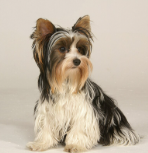
The Silky Terrier, also known as the Australian Silky Terrier, is a lively, intelligent toy terrier developed in Australia from a mix of Yorkshire Terriers and Australian Terriers. Despite their small size, they have the energy and boldness of a working terrier. They are affectionate with their families, spirited during play, and known for their beautiful, fine, and silky coat.
As a small breed, Silky Terriers reach maturity relatively quickly—often by their first birthday—but careful growth tracking is important to prevent overfeeding.