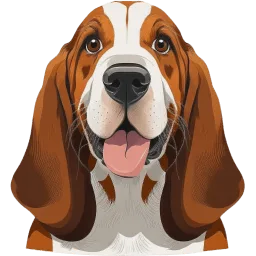
Use this Basset Hound puppy weight calculator to predict how big your puppy will get. Basset Hounds are a hound breed that typically reaches full size by around 12-15 months.
Enter your puppy's current weight and age to predict their adult size
Estimates based on breed growth curves. Individual dogs vary with genetics and nutrition — check with your vet for a personalized read.
A practical pick for medium-sized breeds.
As an Amazon Associate we earn from qualifying purchases, at no extra cost to you.
| Age | Weight |
|---|---|
| Birth | 1 to 2 lbs |
| 2 Months | 6 to 13 lbs |
| 3 Months | 10 to 20 lbs |
| 4 Months | 14 to 26 lbs |
| 5 Months | 18 to 33 lbs |
| 6 Months | 22 to 39 lbs |
| 7 Months | 26 to 46 lbs |
| 9 Months | 30 to 52 lbs |
| 10 Months | 34 to 59 lbs |
| 1 Year | 38 to 64 lbs |
| 1.5 Years | 40 to 65 lbs |
| 2 Years | 40 to 65 lbs |
Estimated from typical medium-breed growth curves and the Basset Hound's adult weight range. Individual puppies vary — use the calculator above for a prediction based on your puppy's actual current weight.
New breed data, growth tips, and puppy-parenting insights, plus our free printable puppy growth tracker.
Bassets are prone to allergies and seborrhea, which can trigger recurring ear and skin infections, especially in the folds of their wrinkled skin. Their long back and short legs also put them at some risk for back problems similar to Dachshunds, and the deep chest carries bloat risk.
Bassets are famously food-motivated and prone to obesity, which is a genuine health issue given the strain extra weight puts on their long spine and short legs — portion control matters more for this breed than most.
The short coat needs minimal brushing, but the long ears and skin folds need regular cleaning to prevent trapped moisture and infection.
Bassets can be stubborn and are motivated more by their nose than by a handler's cues — patient, food-motivated training works better than a firm hand. Daily walks matter since this breed needs encouragement to stay active.
The Basset Hound descends from the St. Hubert Hound (an extinct breed related to today's Bloodhound), developed in France to hunt rabbits and hares — the short legs let hunters on foot keep pace, since the dog couldn't outrun the game the way a taller hound could. "Basset" is French for "low-set," describing the build precisely.
The AKC standard describes a mild temperament, never sharp or timid, capable of great endurance in the field despite the deliberate, unhurried gait — Bassets were bred to work all day at a slow, steady pace, not to sprint.
