Chinese Shar Pei Puppy Weight Calculator
Use this Chinese Shar Pei puppy weight calculator to find out how big your Chinese Shar Pei puppy will get. Just type your puppy's age and weight below and this tool will calculate the future adult size of your puppy.
Puppy Weight Calculator
Predict your puppy's adult weight
Results
- Predictions are estimates based on breed standards
- Individual dogs may vary based on genetics and nutrition
- Consult your vet for personalized assessments
Chinese Shar Pei Stats
Chinese Shar Pei Growth Chart
Chinese Shar Pei Traits
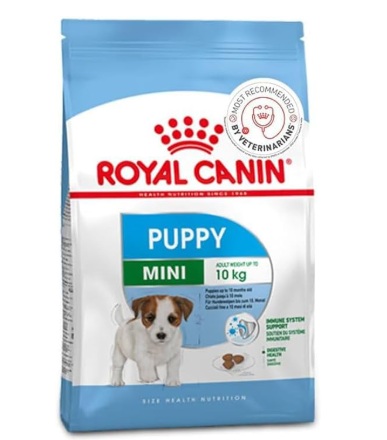
Royal Canin Size Health Nutrition Medium Puppy Dry Dog Food
- Chinese Shar-Pei grooming involves daily attention to their skin folds, with a focus on keeping them clean and dry to avoid infections. To handle low-to-moderate shedding, brush them once a week with a curry brush and bathe them every 6-8 weeks. Key requirements include using gentle, medicated wipes to clean wrinkles, thorough ear care, and regular, soft-bristled tooth brushing.
Chinese Shar-Peis are prone to several growth-related concerns, including:
Hip and elbow dysplasia
Entropion (inward-turning eyelids)
Skin infections in wrinkles
Shar-Pei fever (a periodic fever syndrome)
Regular veterinary checkups, skin care, and monitoring growth can help detect and manage these issues early."
Feed a high-quality, large-breed puppy food with appropriate levels of calcium and phosphorus for joint development. Puppies under 6 months should be fed 3 meals per day, transitioning to 2 meals daily around 6–8 months of age. Avoid overfeeding, as excess weight can worsen skin issues and lead to hip/elbow dysplasia.
Chinese Shar-Pei grooming involves daily attention to their skin folds, with a focus on keeping them clean and dry to avoid infections. To handle low-to-moderate shedding, brush them once a week with a curry brush and bathe them every 6-8 weeks. Key requirements include using gentle, medicated wipes to clean wrinkles, thorough ear care, and regular, soft-bristled tooth brushing.
While not overly active, Shar-Peis need daily short walks and light play sessions. Avoid high-impact activities like jumping or long runs during the first year to protect developing joints.
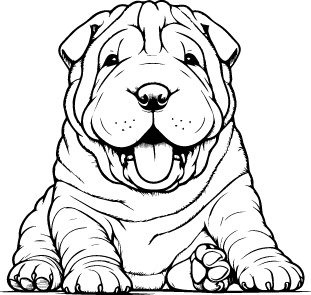
The Chinese Shar-Pei is an ancient breed known for its deeply wrinkled skin and calm, dignified demeanor. Originally bred in China as a farm dog used for guarding, herding, and hunting, the Shar-Pei is intelligent, loyal, and somewhat reserved with strangers but deeply devoted to family. Its characteristic loose skin and distinctive “hippopotamus” face set it apart from other breeds.
Shar-Peis fall into the medium to large breed category, typically weighing between 45 and 60 pounds as adults. Because of their moderate to large build and tendency toward growth-related orthopedic issues, tracking weight gain during puppyhood is essential to ensure proper skeletal development and prevent obesity-related complications.