Doberman Pinscher Puppy Weight Calculator
Use this Doberman Pinscher puppy weight calculator to find out how big your Doberman Pinscher puppy will get. Just type your puppy's age and weight below and this tool will calculate the future adult size of your puppy.
Puppy Weight Calculator
Predict your puppy's adult weight
Results
- Predictions are estimates based on breed standards
- Individual dogs may vary based on genetics and nutrition
- Consult your vet for personalized assessments
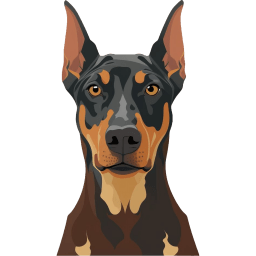
Doberman Pinscher Stats
Doberman Pinscher Growth Chart
Doberman Pinscher Traits

Purina Pro Plan Large Breed Dry Puppy Food
- Chicken as No1 ingredient.
- Colostrum to help support natural defences.
- Helps promote healthy growth and long-term health.
- Rated 4.6 of 9.6k reviews
Dobermans pinschers are susceptible to several growth-related and hereditary conditions, including:
Hip dysplasia
Wobbler syndrome (cervical spine compression)
Cardiomyopathy (DCM): a common heart disease in the breed
Bloat (GDV): feed multiple small meals and avoid vigorous exercise after eating
Regular veterinary checkups, growth tracking, and proper care during the first 18 months will help your Doberman grow into a healthy, well-proportioned adult.
Doberman Pinschers are powerful, high-energy athletes that require a diet rich in high-quality animal protein (26-30% for adults) and healthy fats to support their lean muscle mass and active metabolism. Avoid fillers like wheat, corn, or soy, and ensure key supplements like glucosamine and omega-3 fatty acids are included to protect their joints and promote a glossy coat
Doberman Pinschers are low-maintenance, short-coated dogs who shed moderately throughout the year and require weekly brushing with a rubber mitt or bristle brush. To keep their sleek, healthy appearance, they require monthly baths with hydrating shampoo, regular nail cutting, weekly ear infection checks, and daily dental care.
Dobermans are energetic but should avoid over-exertion during puppyhood. Provide controlled exercise like leash walks, gentle play, and low-impact activities. Avoid intense running or jumping on hard surfaces before 12 months to reduce stress on developing joints.
The Doberman Pinscher, developed in Germany in the late 19th century, is a powerful and intelligent working breed originally bred for protection and guarding. Known for their loyalty, alertness, and trainability, Dobermans excel as police dogs, service animals, and loyal companions. Despite their intimidating appearance, they are affectionate with family and thrive on companionship and mental stimulation.
Classified as a large breed, Dobermans typically weigh between 60 and 100 lbs at full maturity. Growth tracking is essential for this breed to ensure proper skeletal development and to avoid issues such as hip dysplasia or excessive weight gain, both of which can strain their joints and impact mobility.