Norwegian Buhund Puppy Weight Calculator
Use this Norwegian Buhund puppy weight calculator to find out how big your Norwegian Buhund puppy will get. Just type your puppy's age and weight below and this tool will calculate the future adult size of your puppy.
Puppy Weight Calculator
Predict your puppy's adult weight
Results
- Predictions are estimates based on breed standards
- Individual dogs may vary based on genetics and nutrition
- Consult your vet for personalized assessments
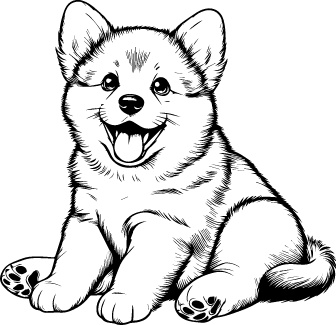
Norwegian Buhund Stats
Norwegian Buhund Growth Chart
Norwegian Buhund Traits
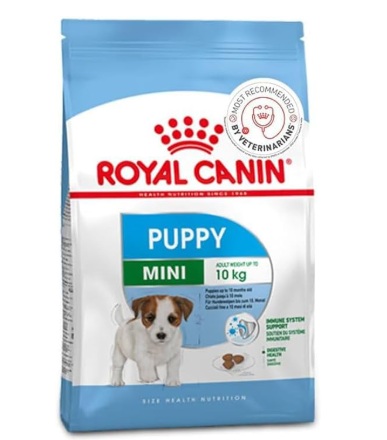
Royal Canin Size Health Nutrition Medium Puppy Dry Dog Food
- Medium Breed Dry Puppy Food for puppies 2 months to 1 year.
- Pairs perfectly Thin Slices in Gravy wet dog food.
- Supports brain development and energy needs.
- Rated 4.7 of 1.8k reviews.
Hip dysplasia occurs occasionally, so responsible breeders perform hip evaluations. The breed has a higher risk of patellar luxation (loose kneecaps) and eye problems such as cataracts and progressive retinal atrophy.
Some Buhunds develop a skin condition called "sebaceous adenitis," which affects the oil glands.
More rarely, the breed can be affected by a neurological disorder called cerebellar ataxia.
Give three meals per day until six months of age, then reduce to two meals daily.
Measure portions carefully, as this active breed can become overweight if overfed, which stresses joints.
Avoid free‑choice feeding. Always provide fresh, clean water.
The thick, double coat of the Norwegian buhund necessitates weekly brushing to control shedding; during severe seasonal shedding in the spring and fall, brushing should be done every day.
The Buhund sheds profusely during these periods, so be prepared for loose hair. Bathe your puppy only when necessary, about every two to three months, using a mild dog shampoo to avoid drying the skin.
They rarely require bathing and are usually clean and odorless. Regular nail trims, ear examinations, and tooth cleaning are examples of essential care.
Begin socialization and basic obedience as soon as you bring your puppy home. Use short, varied sessions with treats, praise, and play, as this breed can become bored with repetition.
House training is usually straightforward with a consistent schedule and crate training.
Buhunds have strong herding and watchdog instincts, so early socialization to other animals, children, and various environments is essential to prevent excessive barking or chasing.
About the Norwegian Buhund
The Norwegian Buhund is an ancient spitz-type breed that originated in Norway, where it has been used for centuries as an all-purpose farm dog. The breed’s name comes from the Norwegian word “bu,” meaning farm or homestead, and “hund,” meaning dog. Viking burial sites dating back to the year 800 contain skeletal remains of dogs very similar to the modern Buhund, confirming its long history.
Traditionally, the Norwegian Buhund herded cattle and sheep, guarded the farm, and hunted small game. Today, the breed remains energetic, loyal, and highly trainable. A Norwegian Buhund puppy is curious, active, and affectionate, making it a wonderful companion for an active household.