Poodle (Toy) Puppy Weight Calculator
Use this Poodle (Toy) puppy weight calculator to find out how big your Poodle (Toy) puppy will get. Just type your puppy's age and weight below and this tool will calculate the future adult size of your puppy.
Puppy Weight Calculator
Predict your puppy's adult weight
Results
- Predictions are estimates based on breed standards
- Individual dogs may vary based on genetics and nutrition
- Consult your vet for personalized assessments
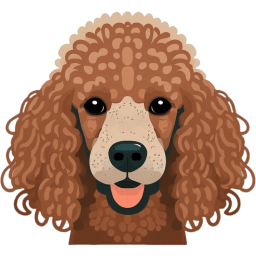
Poodle (Toy) Stats
Poodle (Toy) Growth Chart
Poodle (Toy) Traits
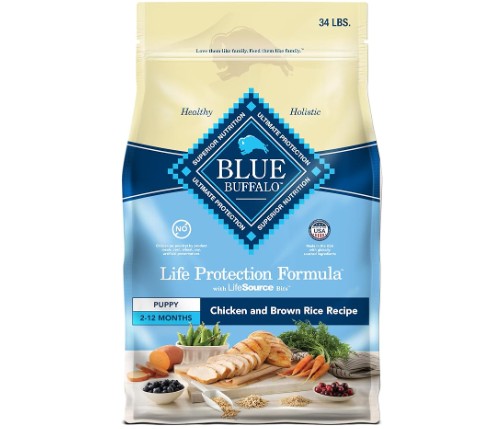
Blue Buffalo Life Dry Dog Food with DHA and ARA
- Made with natural ingredients, chicken & brown rice recipe.
- Contains no chicken or poultry by-products, corn, wheat or soy.
- Contains a precise blend of antioxidants, vitamins and minerals.
- Rated 4.7 of 17.8K reviews.
Common growth-related concerns include hypoglycemia in young puppies and patellar luxation in adults.
Keep a close eye on their weight; both underweight and overweight conditions can quickly impact their health.
Track growth regularly to spot any sudden changes that may indicate illness.
Feed a high-quality small-breed puppy food to meet their higher metabolic needs.
Offer 3–4 small meals daily for 6 months to prevent hypoglycemia. After that, you can reduce to 2–3 meals daily.
Avoid overfeeding, as even small weight gains can strain their joints and affect mobility.
To control their thick, curly, non-shedding coats, Toy Poodles need high-maintenance care.
This includes daily brushing to avoid matting, washing every four to six weeks, and professional grooming every six to eight weeks.
Cleaning ears to prevent infections, cutting nails, and, in certain situations, treating eye stains are important requirements.
Provide gentle daily exercise, such as short walks and indoor play.
Avoid excessive jumping from high surfaces to prevent injury to their small joints.
Include mental stimulation with training and interactive toys to prevent boredom.
The Toy Poodle is the smallest of the three Poodle varieties (Standard, Miniature, and Toy) and is celebrated for its intelligence, charm, and adaptable nature. Originally bred down from the larger Poodles in France during the 18th century, Toy Poodles quickly became popular as companion dogs for aristocrats due to their elegance and trainability. Despite their small size, they retain the poodle’s athleticism and lively personality.
Toy Poodles are alert, affectionate, and eager to please. They excel in obedience and agility, and their hypoallergenic coat makes them a good option for allergy-sensitive households.