Siberian Husky Puppy Weight Calculator
Use this Siberian Husky puppy weight calculator to find out how big your Siberian Husky puppy will get. Just type your puppy's age and weight below and this tool will calculate the future adult size of your puppy.
Puppy Weight Calculator
Predict your puppy's adult weight
Results
- Predictions are estimates based on breed standards
- Individual dogs may vary based on genetics and nutrition
- Consult your vet for personalized assessments
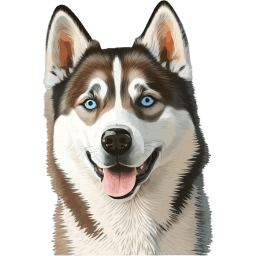
Siberian Husky Stats
Siberian Husky Growth Chart
Siberian Husky Traits
Royal Canin Size Health Nutrition Medium Puppy Dry Dog Food
- Medium Breed Dry Puppy Food for puppies 2 months to 1 year.
- Pairs perfectly with Thin Slices in Gravy wet dog food.
- Supports brain development and energy needs.
- Rated 4.7 out of 1.8k reviews.
The most common concerns include hip dysplasia, which affects the hip joint; eye disorders such as juvenile cataracts, progressive retinal atrophy, and corneal dystrophy; and hypothyroidism, a condition where the thyroid gland produces insufficient hormones.
Some Siberian Huskies may also develop zinc-responsive dermatosis, a skin condition that improves with zinc supplementation.
Responsible breeders conduct health screenings on the parent dogs before mating, including hip evaluations and eye examinations by veterinary ophthalmologists.
You should select a high-quality puppy food that lists animal protein as the first ingredient. Divide the daily portion into three meals until the puppy reaches six months of age, then reduce to two meals per day.
Do not free-feed, as Siberian Huskies can become overweight if given unlimited access to food. Be aware that the breed has a natural tendency to self-regulate food intake and may sometimes skip meals; this is usually normal behaviour as long as the puppy remains healthy.
This coat is designed to protect the dog from extreme arctic temperatures. You should brush your puppy two to three times per week using a slicker brush and an undercoat rake to remove loose fur and prevent matting.
During seasonal shedding periods in spring and autumn, the breed "blows" its entire undercoat, and you will need to brush daily to manage the heavy hair loss.
Do not shave your Siberian Husky, as the double coat provides insulation against both cold and heat; shaving can lead to overheating and skin problems.
Use short training sessions of no more than ten to fifteen minutes with positive reinforcement techniques, including praise, play, and small treats. This breed is known for its stubbornness and independence, so patience and consistency are very important.
Harsh corrections are ineffective with the Siberian Husky and may lead to resistance or fear. Socialisation is critically important and should begin early, ideally before the puppy reaches four months of age.
Introduce your puppy to a wide variety of people, friendly dogs, different environments, and common sounds.
About the Siberian Husky
The Siberian Husky is a medium-sized working dog that originated in Siberia, developed by the Chukchi people as a sledge-pulling and companion dog in harsh Arctic conditions. Known for their striking almond-shaped eyes, thick double coat, and wolf-like appearance, Huskies are intelligent, energetic, and friendly—though they have a strong independent streak.
As a medium breed, Siberian Huskies mature faster than large or giant breeds but still require careful growth monitoring. Tracking their weight ensures they develop lean muscle without becoming overweight, which can affect their endurance and joint health.